Ho Chi Minh City doesn't do quiet. Motorbikes hum in rivers through century-old boulevards, incense curls above pagoda courtyards two minutes from rooftop cocktail bars, and a bowl of phở can taste like a whole history lesson. This guide gathers the landmarks, dishes, streets, and practical know-how that make the city work — so your first days here feel like you already have a local friend.
Top Experiences
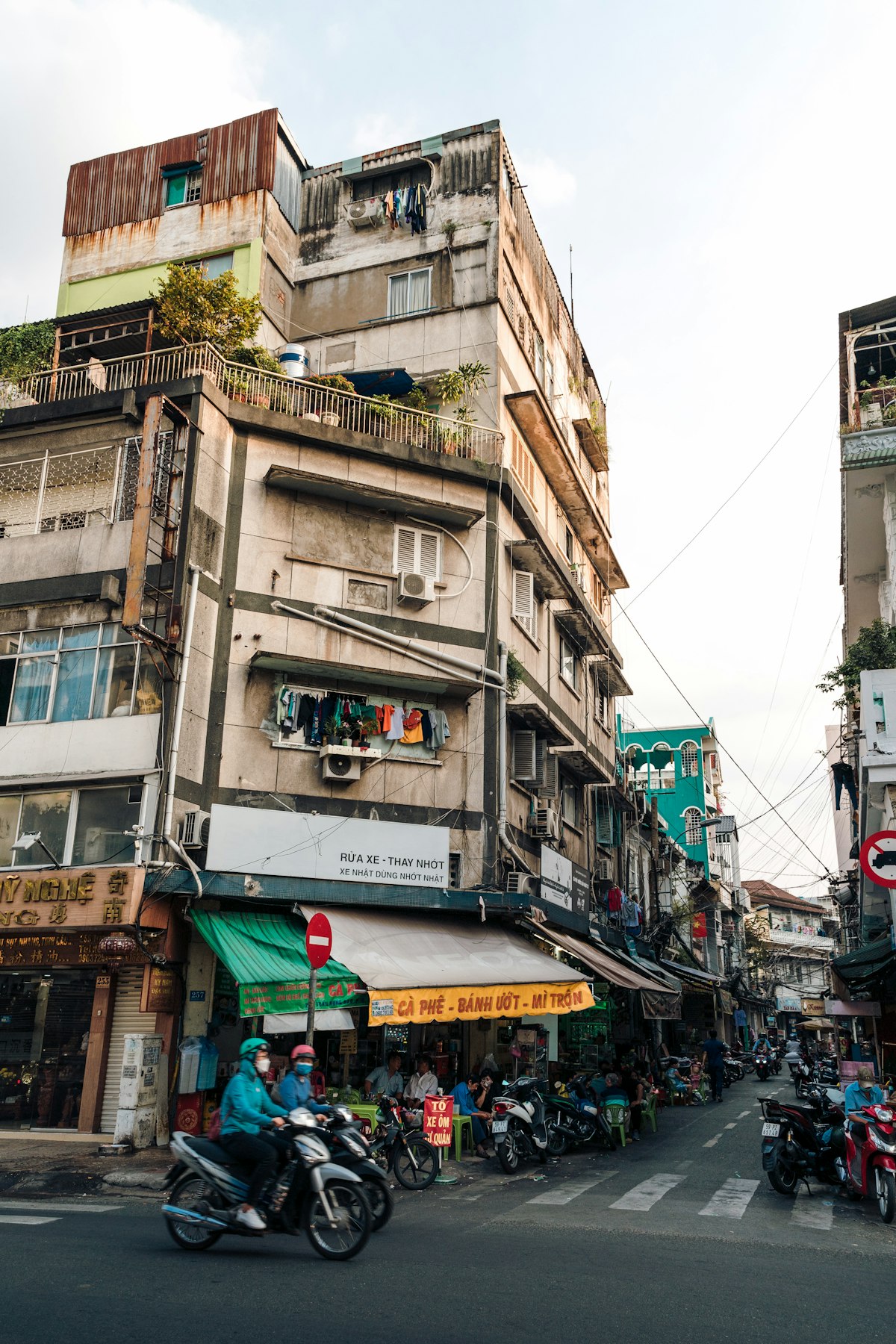
Start your morning the Saigon way: a crusty bánh mì and a glass of cà phê sữa đá (iced milk coffee, brewed drop by drop through a small metal phin filter) — it's less a breakfast than a ritual. From there, the city opens up in layers.
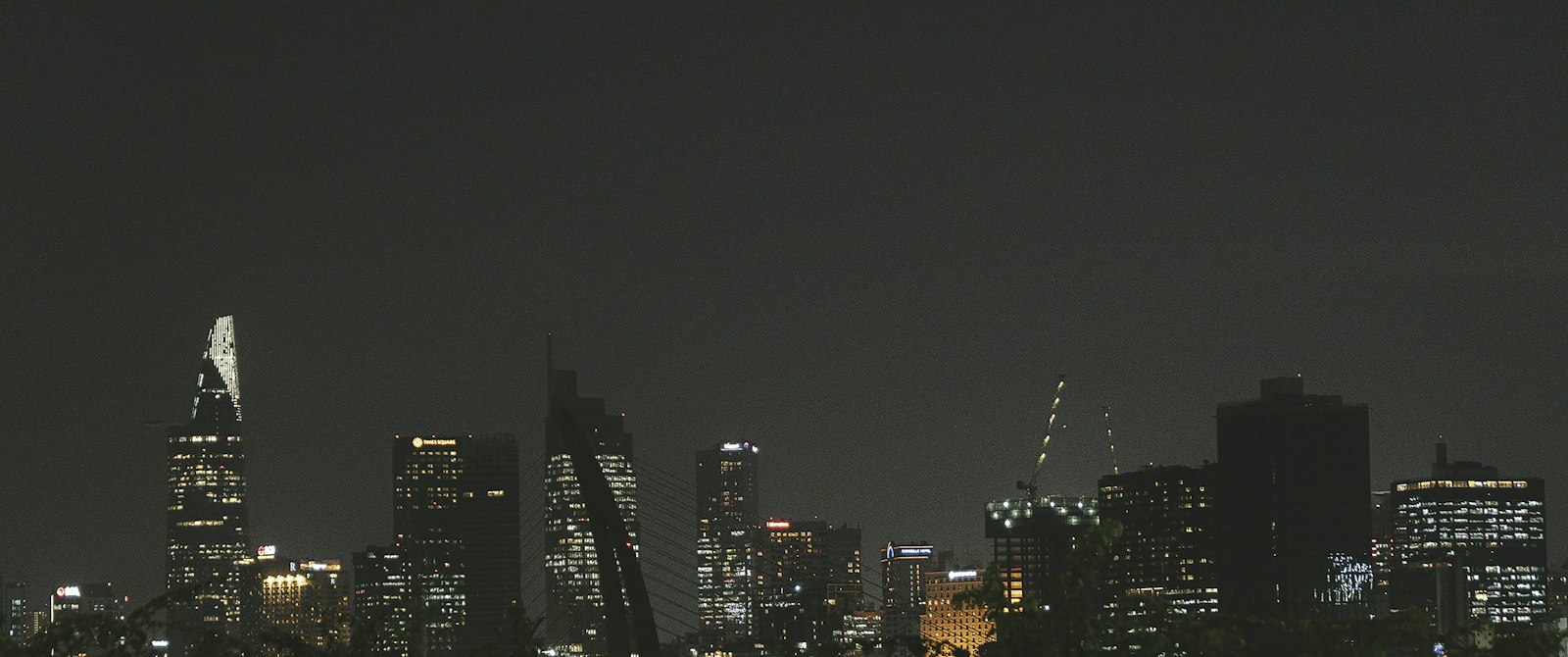
- Chase the skyline. Head up the Bitexco Financial Tower's Saigon Skydeck or Landmark 81's observation deck for a 360-degree view that finally makes sense of how sprawling this city is.
- Ride a cyclo through the old backalleys of District 1 and District 3, past Indochina-era shopfronts that a car could never reach.
- Take a boat along the Nhiêu Lộc – Thị Nghè Canal at golden hour, gliding past the mixed French-colonial and modern skylines of Districts 1 and 3.
- Wander Bùi Viện (locally nicknamed "Phố Tây," or Western Street) after dark for the city's most unpretentious nightlife — plastic stools, cold beer, and a crowd from everywhere.
- Go underground at the Củ Chi Tunnels, the vast network the Viet Cong used during the war — a sobering, unforgettable half-day outside the city.
- Breathe in Cần Giờ, a UNESCO-recognized mangrove biosphere reserve about an hour from downtown — full of monkeys, sea breeze, and a totally different rhythm from the city center.
Culture & Heritage
Saigon's culture is layered: 300 years of Vietnamese heritage adapting to a southern climate, a strong Chinese community that settled in what's now Chợ Lớn (District 5), and nearly a century of French colonial influence still visible on almost every downtown block.
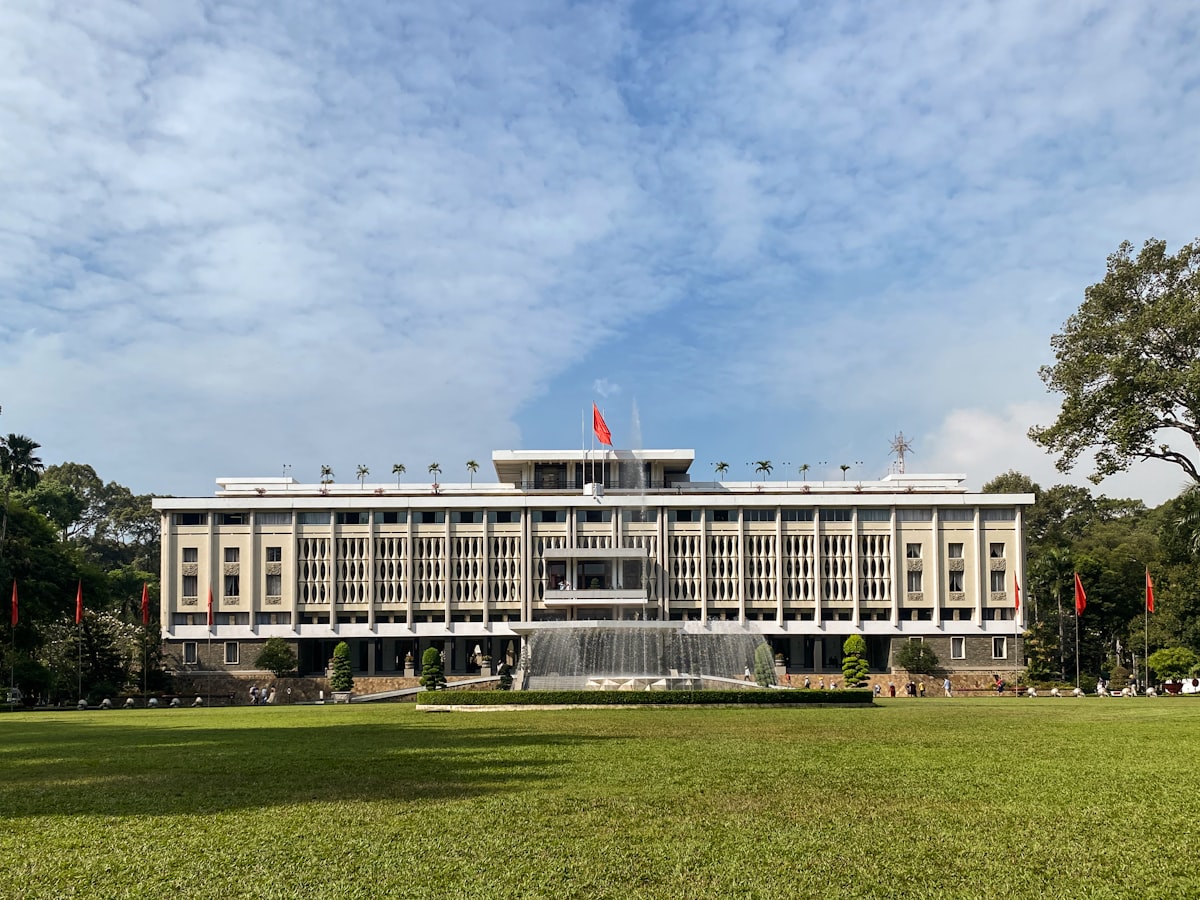
- Independence Palace (Dinh Độc Lập) — the site where the Vietnam War officially ended on April 30, 1975; walk through the war rooms and reception halls exactly as they were left.
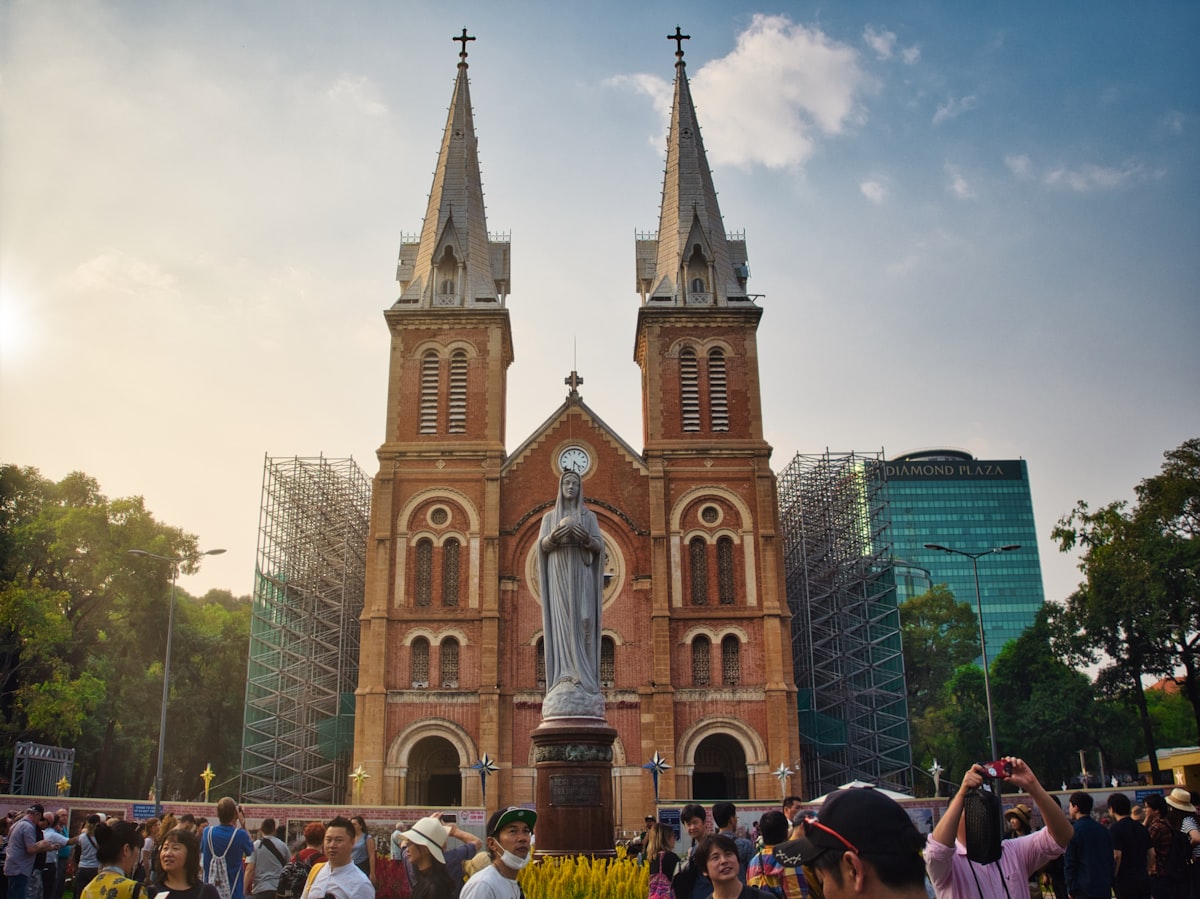
- Notre Dame Cathedral — the red-brick, twin-spired cathedral built from materials shipped from France in the 1870s, still one of the most photographed spots in the city.
- Saigon Central Post Office, right beside it — a working post office with a soaring, ornate 19th-century interior.
- War Remnants Museum — an unflinching, essential look at the Vietnam War through Vietnamese eyes.
- Jade Emperor Pagoda (Phước Hải Tự) and Giác Lâm Pagoda (the city's oldest, founded 1744) — both active Buddhist sites, not just monuments. If you visit, dress modestly, ask before photographing, and keep your voice down near worshippers.
Cuisine
Southern Vietnamese cooking carries Chinese, Khmer, and French fingerprints — which is part of why Saigon's food scene is so hard to summarize in one dish. Try to hit at least a few of these:
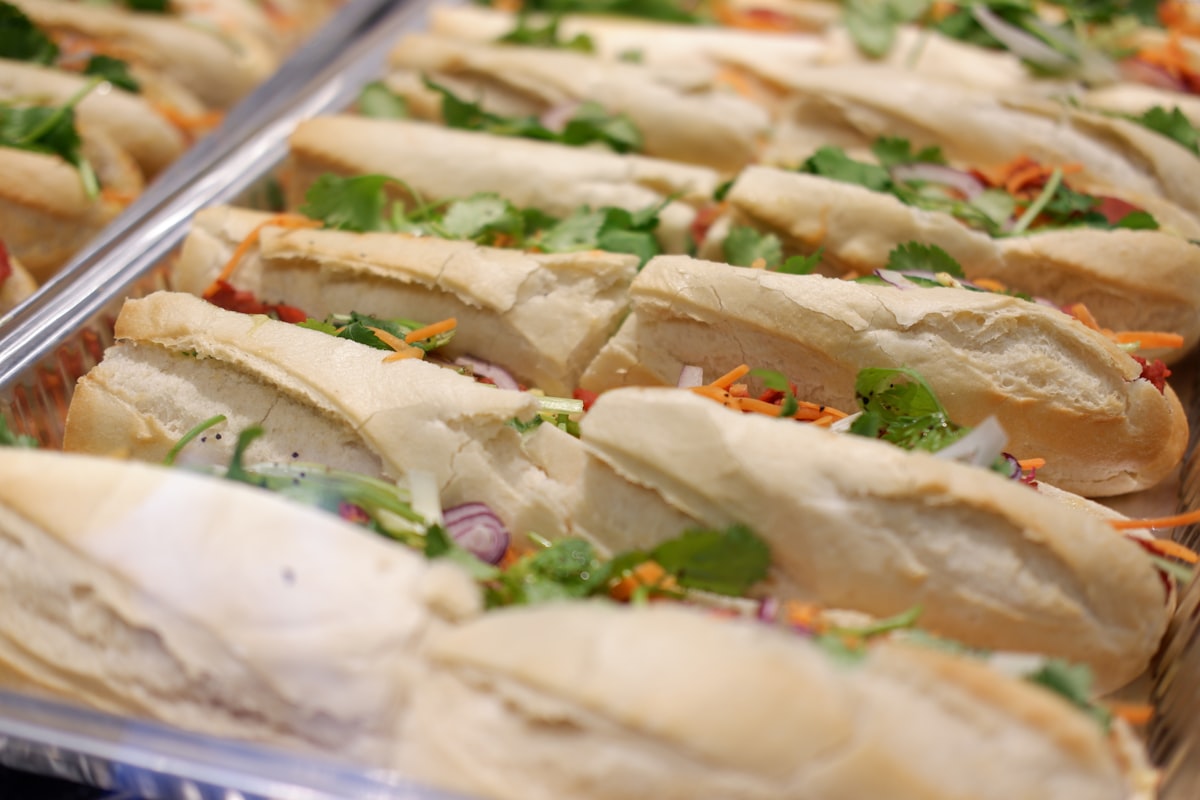
- Bánh mì — the French baguette reinvented, filled with pork, pâté, pickled daikon and carrot, coriander, and chili.
- Phở — the classic beef noodle soup, though in the south it usually arrives with a plate of fresh herbs and bean sprouts to add yourself.
- Cơm tấm (broken rice) — grilled pork chop, shredded pork skin, and a fried egg over rice, finished with sweet-sour fish sauce.
- Bánh xèo — a turmeric-and-coconut-milk rice crepe, named for the sizzling sound it makes hitting the pan.
- Gỏi cuốn (fresh spring rolls) — light, herb-packed, and dipped in peanut or fish sauce.
- Bánh tráng trộn — a addictive shredded rice-paper street snack tossed with dried beef, quail egg, and chili.
For a food crawl with real local energy, head to Chợ Lớn (District 5) — the city's Chinatown — for noodle soups, wonton dishes, and fried rice-flour snacks around Nguyễn Kim and Hưng Vương streets.
Shopping
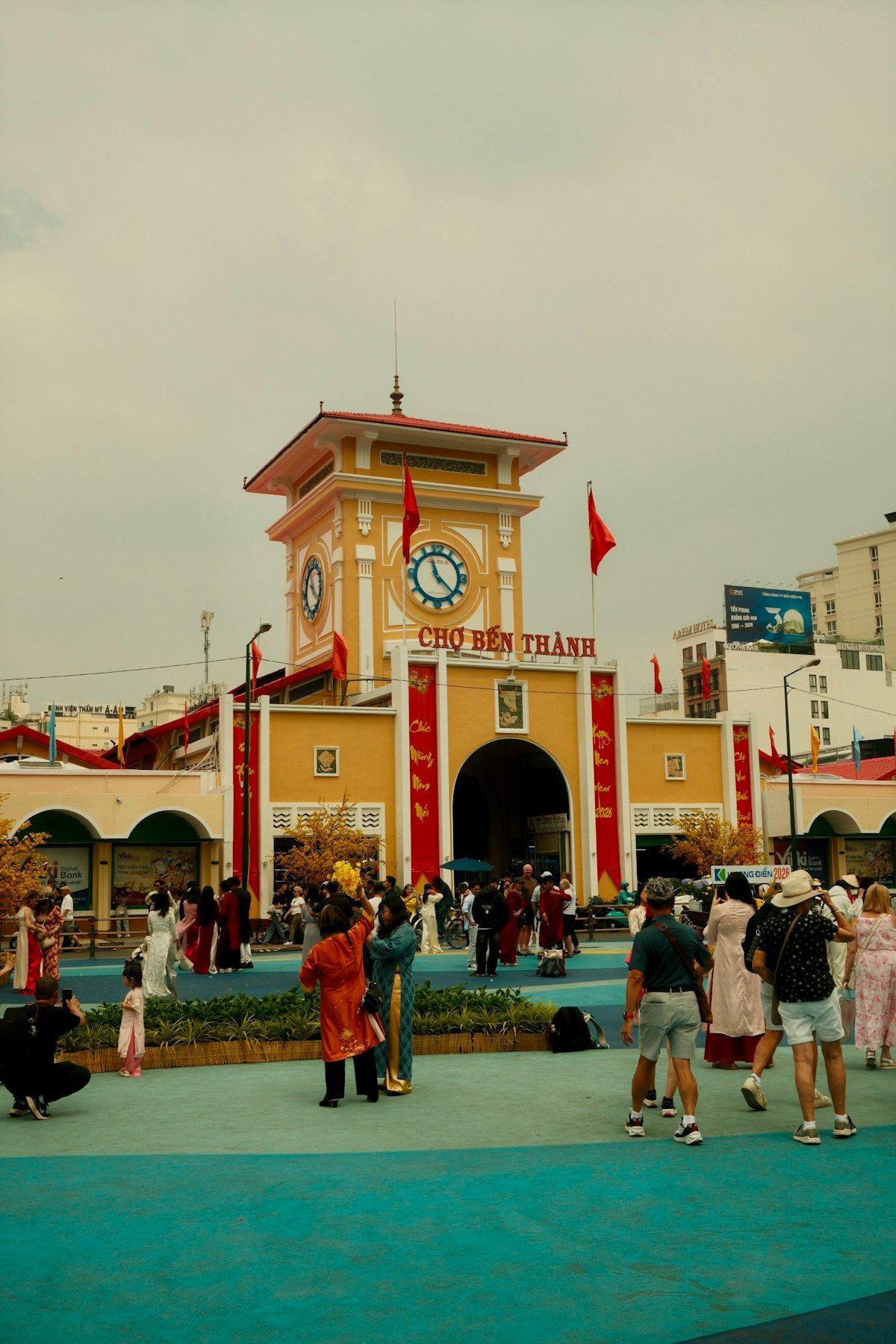
Bến Thành Market's clock-tower entrance is the city's most iconic shopping landmark — and one of the few places with fixed prices, so there's no need to haggle. Elsewhere in the city, from An Đông Market to the smaller street stalls, bargaining is expected and normal; buying first thing in the morning is considered lucky for the seller, so a fair opening offer often goes a long way. For a more polished shopping trip, Nguyễn Huệ and Đồng Khởi streets carry the city's international fashion boutiques, while modern malls like Vincom and Takashimaya offer air-conditioned, one-stop shopping.
Day Trips Worth the Drive
Ho Chi Minh City is also the best jumping-off point in southern Vietnam for a self-drive day trip:
- Củ Chi Tunnels — about 1.5 hours northwest, an essential half-day trip into the underground tunnel network.
- Mekong Delta — a few hours southwest, for floating markets, coconut candy workshops, and slow boat rides along the Tiền River.
- Cần Giờ mangrove biosphere — about an hour southeast, for mangrove forests, monkeys, and fresh seafood by the coast.
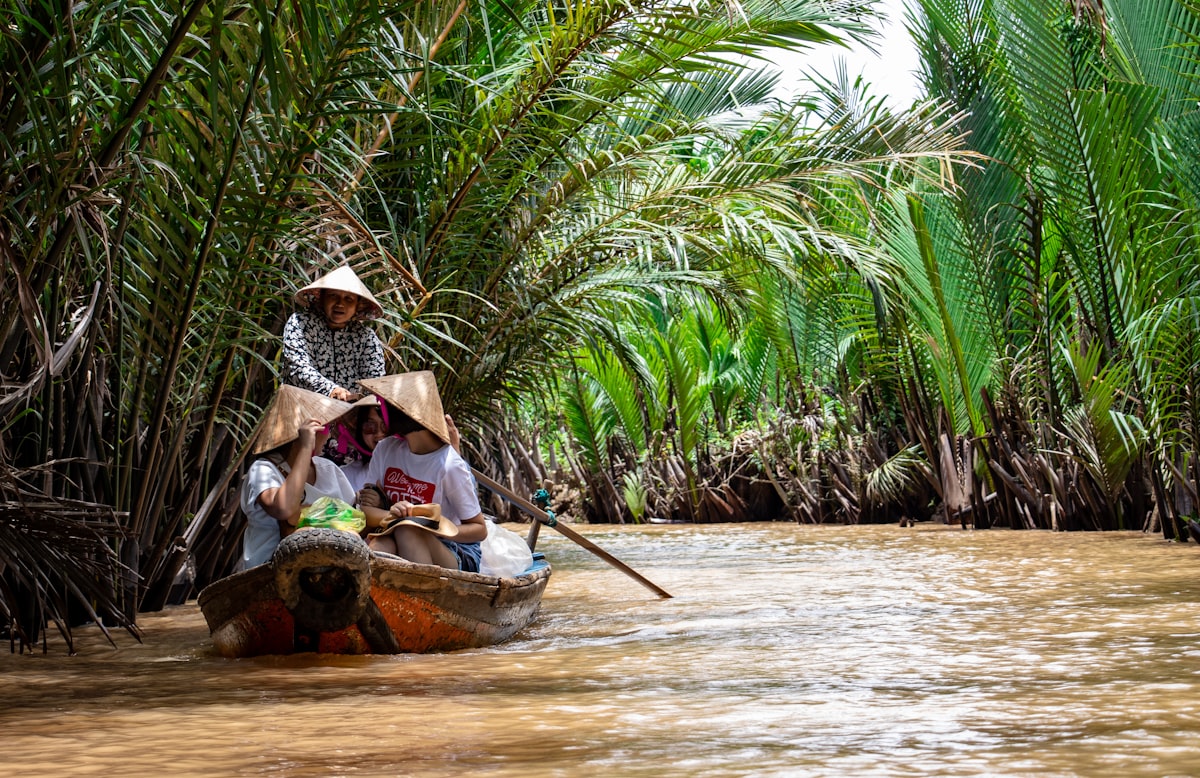
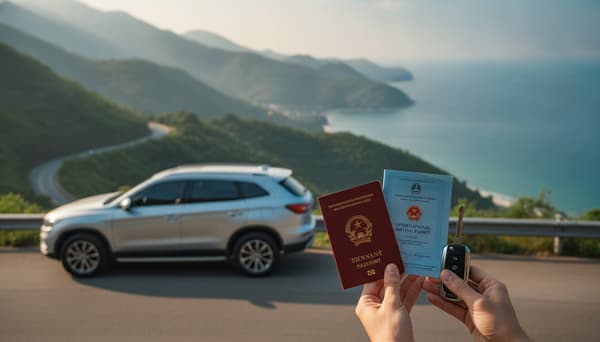
All three are exactly the kind of trip a self-drive rental is built for: leave on your own schedule, stop wherever the light looks good, and skip the fixed-departure tour bus.
Practical Info
Best time to visit
Ho Chi Minh City has a tropical monsoon climate with two seasons: a rainy season from May to November (heaviest rain August–November) and a dry season from December to April. March through June generally brings the most comfortable balance of lower rainfall and manageable humidity, alongside a full calendar of festivals — a strong window for a first visit.
Getting around
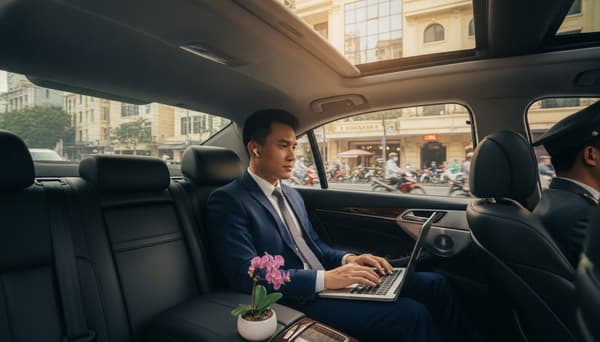
Tân Sơn Nhất International Airport sits just a few kilometers from downtown. Around the city, ride-hailing apps like Grab are the easiest way to get around without a car, and a Hop-on Hop-off double-decker bus route covers the main downtown sights if you want a slower first orientation. For day trips beyond the city, renting a car — with or without a driver — is the most flexible option, since intercity buses and trains run on fixed schedules.
Money & connectivity
Major credit cards are widely accepted at restaurants, malls, and hotels, and ATMs are easy to find at banks and shopping centers. A local prepaid SIM card — from Viettel, Vinaphone, or MobiFone — is the simplest way to get mobile data, and can be picked up at the airport or at phone shops around the city.
Code of conduct
A few things go a long way toward being a welcome guest: dress modestly and keep your voice down at pagodas and temples, ask before photographing people or worshippers, don't touch statues or exhibits, and be mindful crossing the street — traffic flows continuously rather than stopping fully, so cross at a steady, predictable pace rather than darting. Keep valuables out of sight while walking or shopping, and it's best to avoid riding alone on a motorbike taxi late at night.
Ready to see it all at your own pace? Rocket Car Rentals can put you behind the wheel for every stop on this list — from a morning at Independence Palace to a sunset over the Mekong.