Vietnam Traffic Rules & Safe Driving: Complete Guide for Foreigners 2026
Driving in Vietnam is an exhilarating way to explore the country's stunning landscapes, from the limestone karsts of Ha Giang to the coastal roads of Da Nang. But the traffic is unlike most places visitors come from — dense, motorbike-heavy, and governed by rules that aren't always obvious from the outside. This 2026 guide covers what foreign drivers actually need to know to stay safe and avoid fines.
1. Speed Limits
Speed limits vary by road type and vehicle:
- Urban/City: 50 km/h (motorbikes), 60 km/h (cars).
- Rural/Outside city: 60-70 km/h (motorbikes), 80-90 km/h (cars).
- Highways: 60-120 km/h, posted per section — always check the signage, limits change frequently along the same route.
Speed cameras are common on highways and major arterial roads. Fines are issued automatically and mailed to the vehicle's registered owner (the rental company), which then contacts the renter.
2. Zero Alcohol Tolerance
Vietnam enforces a strict 0.0% blood alcohol limit for all drivers. One beer is enough to trigger a heavy fine and potential license suspension. This is the single rule that catches the most foreign visitors off guard, since many home countries allow a small legal limit. If you're drinking, plan on a taxi, a ride-hailing app, or a driver — never get behind the wheel afterward.
3. Penalties for Common Violations
Vietnam significantly raised traffic fines in 2025/2026. Approximate ranges for foreign drivers:
- Speeding: 800,000 - 6,000,000 VND depending on how far over the limit and vehicle type.
- Red light violations: 4,000,000 - 6,000,000 VND for cars.
- Drink driving: Fines up to 40,000,000 VND plus license suspension, scaling with blood alcohol level.
- Vehicle confiscation: Police can impound a vehicle for up to 7 days for serious violations.
The "coffee money" reality
Some officers may informally suggest settling a fine on the spot — this is not the official process and you're entitled to decline it. Always ask for an official receipt ("biên bản"). The formal procedure can mean a longer paperwork process, which is part of why some visitors are tempted by the informal route — but the receipt protects you if there's any dispute later.
4. How Fines Reach Rental Drivers
- On-the-spot: paid directly to the officer with a receipt. Common for violations witnessed directly.
- Camera-issued: sent weeks later to the rental company as the registered owner, which then contacts you with the details. You pay the fine plus a small administrative fee; unpaid fines are deducted from your security deposit.
5. Insurance Reality
This is worth taking seriously. Travel and rental insurance policies almost universally require the driver to be operating the vehicle in compliance with local traffic law at the time of an accident. Driving under the influence, ignoring a confiscation order, or other clear violations can void coverage entirely, leaving you responsible for medical bills and vehicle damage out of pocket. Driving carefully and soberly isn't just about avoiding a fine — it's what keeps your insurance valid.
6. Motorbike Engine Classes
Most tourists who ride rather than drive should know the engine-size breakpoints, since rental shops and traffic police treat them differently:
- Under 50cc: Lowest barrier to entry — scooters suitable for short, low-speed trips.
- 50cc - 175cc: The most common tourist rental class (Honda Air Blade, Vision, and similar).
- Over 175cc: Treated as a higher-powered class with stricter expectations around rider experience.
Whichever class you ride, wear a proper helmet (not the thin "fashion" shells sold to tourists) and keep your passport and rental agreement with you.
7. Tips for Foreign Drivers
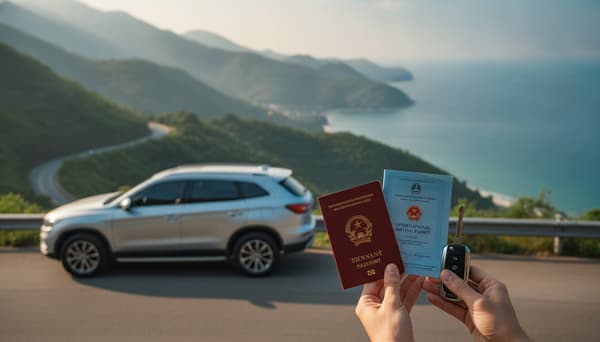
- Carry copies: Keep photocopies of your documents in the vehicle; keep originals safe but accessible, since police may ask to see them.
- Stay calm and polite: Patience goes a lot further than arguing with traffic police (Công an Giao thông).
- Expect horn use as communication, not aggression: Vietnamese drivers use the horn to announce presence, not to express anger — it takes a day or two to stop flinching at it.
- Watch for motorbikes from every direction: Intersections don't always follow the priority rules you're used to. Go slow, look both ways even on green, and never assume a lane is clear.
Conclusion
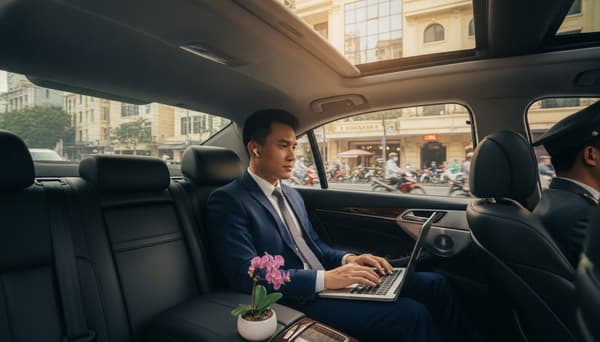
Driving in Vietnam is a privilege that comes with real responsibility. Know the speed limits, respect the zero-alcohol rule, and keep your documents on hand. If the traffic feels like more than you want to take on, hiring a driver removes the risk entirely and is a popular choice even among experienced travelers.
Rocket Car Rentals briefs every renter on local road rules at pickup and can arrange a driver for any part of your trip if you'd rather not navigate Vietnam's roads yourself.
---
Drive legal, travel safe!