
Ultimate Guide to Renting a Car in Vietnam 2026: Everything You Need to Know
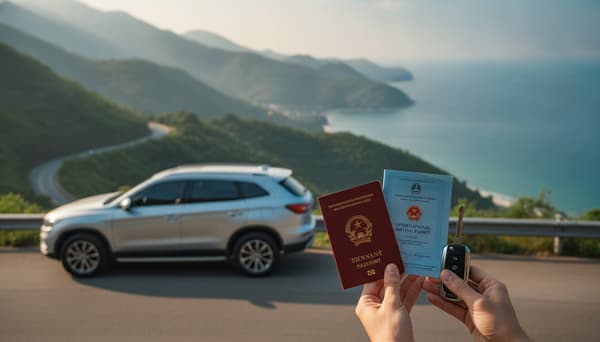
Picture this: You're cruising along the Hai Van Pass, one of the world's most scenic coastal roads, with the wind in your hair and the South China Sea stretching endlessly beside you. Or imagine navigating the serpentine mountain roads to Sapa, stopping whenever you want to capture photos of terraced rice fields that cascade down hillsides like green waterfalls.
This is the freedom that renting a car in Vietnam offers—and in 2026, it's more accessible than ever before.
Why Rent a Car in Vietnam in 2026?
Vietnam's tourism landscape has transformed dramatically. Self-drive tours increased by 340% between 2023-2026, with car rentals leading this growth. Here's why travelers are choosing rental cars:
Ultimate Freedom and Flexibility
Unlike tour buses that rush you through destinations or trains bound to fixed schedules, a rental car puts you in complete control. Want to spend an extra hour at that hidden beach? Done. Craving authentic phở from a roadside stall? No problem.
Access to Hidden Gems
Vietnam's most spectacular destinations often lie off the beaten path:
- Ancient forests of Phong Nha-Ke Bang National Park
- Remote ethnic minority villages in Ha Giang
- Pristine beaches of Ninh Thuan province
- Coffee plantations in the Central Highlands
These treasures are practically inaccessible without private transportation.
Cost-Effective for Groups
A family of four or group of friends will save significantly:
- Multiple tour bookings: $400-800 per person
- Private drivers for multi-day trips: $150-200/day
- Rental car: $35-80/day
The math is simple—rental cars offer incredible value.
Legal Requirements: What You MUST Know
Age Requirements
- Minimum age: 21 years (luxury vehicles may require 25+)
- Must have held license for at least 1 year
- Some companies require 2+ years driving experience
Required Documents
✓ Passport (valid 6+ months)
✓ Appropriate visa
✓ Home country driver's license (held 1+ year)
✓ Credit card for security deposit
✓ Rental confirmation
Choosing the Right Vehicle
Compact Cars ($25-35/day)
Best for: Solo travelers, couples, city exploration
Popular Models:
- Toyota Vios
- Honda City
- Hyundai Accent
Pros: Excellent fuel economy (5-6L/100km), easy parking, lower costs
Cons: Limited space, not ideal for mountains
SUVs ($50-80/day)
Best for: Families, adventure seekers, mountain travel
Popular Models:
- Toyota Fortuner
- Ford Everest
- Mitsubishi Pajero Sport
Pros: 7-seater capacity, excellent for rough terrain, spacious
Cons: Higher fuel consumption, more expensive
Sedans ($35-50/day)
Best for: Small families, business travelers
Popular Models:
- Toyota Camry
- Honda Accord
- Mazda 6
Pros: Comfortable, professional appearance, good highway performance
Cons: Higher fuel costs than compact cars
Step-by-Step Rental Process
1. Book in Advance (2-4 Weeks Recommended)
Early booking ensures:
- Vehicle availability
- Competitive rates
- Time to plan your route
- Better pickup location selection
Peak seasons to avoid:
- Tet Holiday (January-February): Prices spike 50-100%
- Summer (June-August): High demand
- Christmas/New Year: Tourist peak
2. Understand Total Costs
Base rental includes:
- Daily rental rate
- Basic third-party liability insurance
- Unlimited mileage (usually)
- 24/7 roadside assistance
Additional costs:
- Security deposit: $300-800 (refundable)
- Full insurance: $10-20/day
- Child safety seat: $3-5/day
- Additional driver: $5-10/day
- GPS: $5/day (or use Google Maps free)
Fuel costs (2026):
- Gasoline: ~$1.00-1.10/liter
- Diesel: ~$0.95-1.05/liter
3. Pickup Inspection (CRITICAL!)
Before driving away, document:
📸 Take photos of:
- All four corners of vehicle
- Any existing damage
- Tire condition
- Interior condition
- Dashboard mileage
- Fuel gauge level
✓ Verify functionality:
- All lights (headlights, brake lights, indicators)
- Windshield wipers
- Air conditioning
- Horn and windows
- Spare tire and jack
- Emergency triangle
- First aid kit
⚠️ Insist on written documentation of all pre-existing damage.
4. Understand Insurance Coverage
Basic Third-Party Liability (included):
Covers damage to others, but NOT:
- Damage to your rental vehicle
- Your medical expenses
- Vehicle theft
Collision Damage Waiver (CDW) - Recommended:
- Reduces your liability for vehicle damage
- Typical deductible: $300-800
- Cost: $7-12/day
- Worth it for peace of mind
What insurance DOESN'T cover:
❌ Tire damage (unless collision-related)
❌ Undercarriage damage
❌ Interior damage (burns, stains)
❌ Lost keys
❌ Driving under influence
❌ Reckless driving
Driving in Vietnam: Essential Tips
Traffic Culture
Vietnam's traffic requires adjustment:
The Honk Language:
- Short honk: "I'm here, be aware"
- Double honk: "I'm passing"
- Long honk: "Move please!"
Horns aren't aggressive—they're communication. Use yours and don't take offense.
Motorcycle Awareness:
5-10 motorcycles will surround your car at every stoplight. They'll:
- Filter between cars
- Cut in front suddenly
- Appear in blind spots
Solution: Drive defensively, check mirrors constantly, expect the unexpected.
Speed Limits
- Urban areas: 50 km/h (31 mph)
- Rural roads: 60-80 km/h
- Highways: 90-110 km/h
Common fines (2026):
- Speeding: $16-40
- Running red light: $32-48
- No seatbelt: $8-16
- DUI: $240-320 + license suspension
- Phone usage: $24-32
Safety Tips
- Defensive driving is mandatory - Assume nobody sees you
- Avoid night driving - Poor lighting, livestock, unlit vehicles
- Monsoon precautions (May-October) - Roads flood quickly
- Mountain road caution - Use lower gears, watch for landslides
Best Road Trips
1. Hai Van Pass (Da Nang ↔ Hue)
- Distance: 80km
- Duration: 3-4 hours with stops
- Highlights: Ocean views, French bunkers, Lang Co Beach
2. Ho Chi Minh Road
- Distance: 1,200km (North to South)
- Duration: 7-10 days
- Highlights: Waterfalls, minority villages, coffee plantations
3. Phu Quoc Island Loop
- Distance: 120km
- Duration: 1 day
- Highlights: Beaches, pepper farms, night market
Top Rental Companies
🏆 Rocket Car Rentals (Highly Recommended)
Why choose us:
- Modern fleet (vehicles <2 years old)
- 24/7 English support
- Free airport pickup/drop-off
- Transparent pricing
- Comprehensive insurance
- Locations: HCMC, Hanoi, Da Nang, Nha Trang, Phu Quoc
Customer Rating: 4.8/5.0 (2,400+ reviews)
Frequently Asked Questions
Q: Can I drive to Cambodia or Laos?
A: Yes, with special permits arranged 2+ weeks ahead. Additional fees $50-100/day apply.
Q: What if I have an accident?
A: Don't move the vehicle. Call rental company + police (113). Take photos. Get police report.
Q: Is it safe for foreigners?
A: Yes, thousands drive daily. Key is understanding traffic culture and driving defensively.
Q: Do I need Vietnamese insurance?
A: Your rental includes basic insurance. Home country/credit card coverage typically doesn't apply.
Q: Can I use a debit card?
A: Most companies require credit cards. Some accept debit with double cash deposit.
Pro Tips from Expats
- Download offline maps - Google Maps works offline
- Keep cash - Small bills (20,000-50,000 VND) for tolls
- Learn basic Vietnamese:
- Xin chào (hello)
- Cảm ơn (thank you)
- Bên phải/trái (right/left)
- Trạm xăng (gas station)
- Best apps:
- Google Maps - Navigation
- Grab - Ride-hailing
- Google Translate - Road signs
- Zalo - Local messaging
Seasonal Considerations
Dry Season (November-April):
✅ Best driving conditions
✅ Clear visibility
❌ Higher prices
❌ More tourists
Rainy Season (May-October):
✅ Lower rates
✅ Fewer tourists
❌ Flooding risks
❌ Landslide potential
Tet Holiday (January-February):
❌ Extremely high prices
❌ Businesses closed
✅ Unique cultural experience
Final Checklist
3 Months Before:
☐ Apply for visa
☐ Check your license validity
☐ Research routes
1 Month Before:
☐ Book rental car
☐ Purchase travel insurance
☐ Download offline maps
1 Week Before:
☐ Confirm reservation
☐ Prepare documents
☐ Download useful apps
Pickup Day:
☐ Bring license + passport
☐ Credit card for deposit
☐ Camera for documentation
☐ Small bills for tolls
Conclusion
Renting a car in Vietnam isn't just transportation—it's about freedom, discovery, and unforgettable memories. With proper preparation and companies like Rocket Car Rentals supporting you, your self-drive adventure will be smooth and rewarding.
Ready to start your Vietnamese road trip? Contact Rocket Car Rentals today for personalized recommendations and exclusive offers.
---
Safe travels and enjoy the journey!