
Booking a car in a country you've never driven in is a leap of faith. You want the autonomy of your own vehicle, yet the worry of an unclear contract or an unexpected charge at drop-off is enough to stall any itinerary. Comparing vehicle classes and protection terms across a dozen listings can feel like homework, but in Vietnam in 2026 these details decide whether your trip stays on plan.
This guide gives you a clear framework for choosing a vehicle class, a checklist of what to prepare before you book, and a plain explanation of how the deposit, the payment options and the optional damage protection work at Rocket Car Rentals. Where a detail depends on your vehicle and dates, we point you to the booking page and your confirmation rather than guessing.
Rocket Car Rentals is a self-drive service: you collect the car and you drive it. We rent from our offices in Ho Chi Minh City, Hanoi, Da Nang, Nha Trang and Phu Quoc.
Key Takeaways
- Match the vehicle class to the itinerary: compact cars for cities, SUVs for mountain and rural routes, seven-seaters for families and groups.
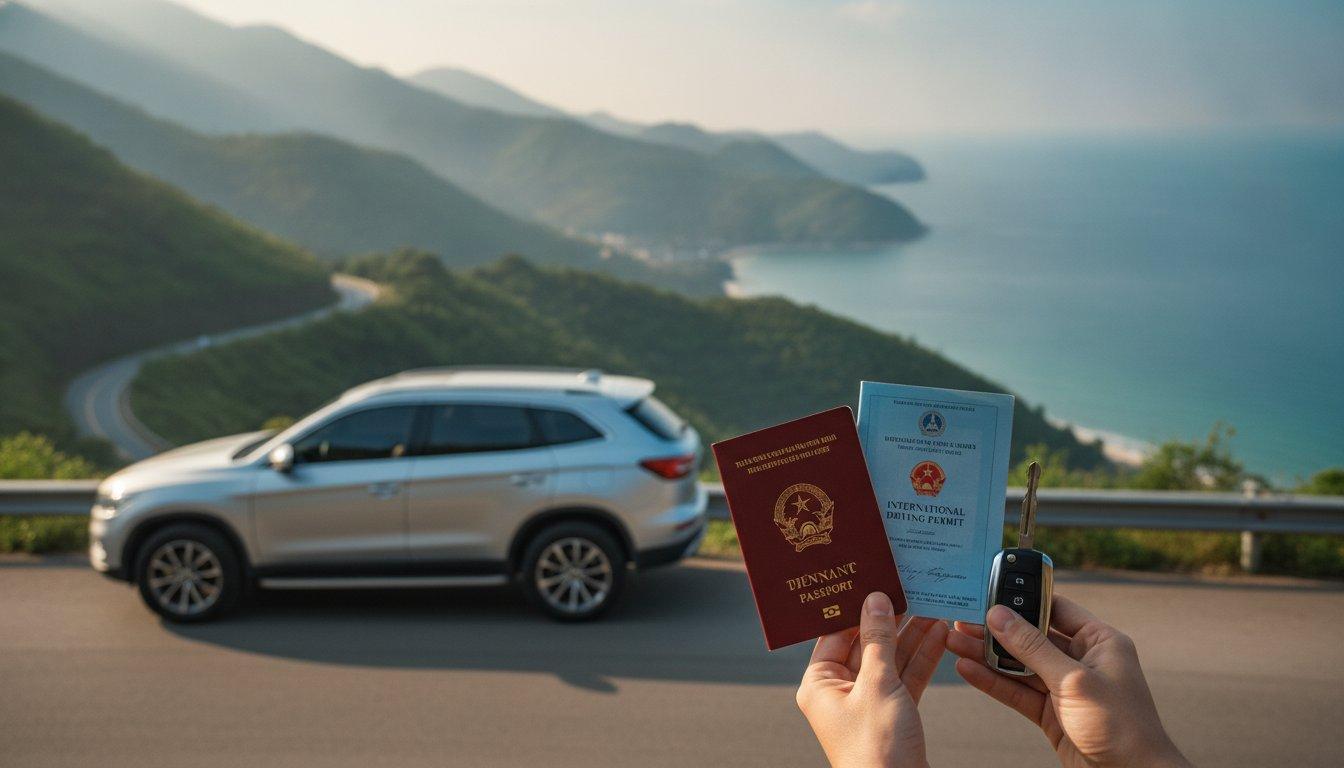
- Bring your passport, your national driving licence and, where it applies, an International Driving Permit.
- Know the money before you pay: prices are shown in VND and include VAT, the security deposit is separate and refundable, and damage protection is optional.
- Photograph the vehicle together with our staff at handover to protect your deposit.
- Be honest about whether self-drive suits you: dense, motorbike-heavy traffic rewards patience and a short first day.
Table of Contents
Choosing the Right Vehicle Class for Your Trip
The right vehicle is the one that matches your itinerary, not the one with the flashiest listing photo. A rental search typically returns three broad classes: compact city cars, mid-size sedans, and SUVs or seven-seaters suited to rural and mountain routes. Choosing wrongly is a common source of regret: you are either wrestling a full-size SUV through the Old Quarter of Hanoi, or bottoming out a compact car on a rutted road in the north.
Start with your route. If your trip stays within one metro area such as Ho Chi Minh City, Da Nang or Hanoi, a compact car is usually the right call: it is easier to park and simple to manoeuvre through narrow lanes. If your plan includes provincial roads, mountain passes or unpaved stretches near national parks, prioritise ground clearance and a stronger engine over cabin luxury.
City Compacts vs. Rural SUVs
Compact cars are the practical choice for urban exploration and short coastal hops. The trade-off is limited luggage space and a firmer ride on unpaved roads. SUVs earn their place on routes such as the Hai Van Pass or the Central Highlands, where road surfaces are inconsistent and the gradients are steep.
Family and Group Vehicles
For families or small groups, a seven-seater gives you room for luggage and child seats. Child seats and other extras can be added at booking; nothing is added to your price unless you select it. Whatever the size, check the exact model on your booking page and confirmation, because "SUV" can mean very different cars.
We don't quote a single daily rate here, because the price depends on the vehicle, the dates and the branch. Live prices appear on the booking page, in VND, and include VAT.
How Online Booking Works: From Search to Confirmation
Booking should be a short, readable process, and the terms that apply to your rental should be in front of you before you pay.
Step-by-Step
- Choose your branch and dates: Ho Chi Minh City, Hanoi, Da Nang, Nha Trang or Phu Quoc.
- Choose your vehicle and any extras: only what you select is added to the price.
- Choose how to pay: pay 100% now, or pay at pickup.
- Confirm: a pay-at-pickup booking is confirmed at once, and a pay-now booking is confirmed when the payment goes through.
What to Prepare Before You Book
- Your passport.
- Your national driving licence.
- An International Driving Permit (IDP), which is not required for citizens of ASEAN countries. Rules around licences and permits change, so confirm the current position before you travel.
- You must be at least 18 years old. Uploading your documents when you book is optional; have the originals with you at pickup.
A few minutes of preparation saves an hour of friction at the counter. A clear photo of your licence and a card for the security deposit are the most useful things to have ready.
Understanding Protection, Deposit and Pricing
A rental is only as reliable as the contract behind it. Prices are shown in VND and include VAT. Optional extras are added only when you choose them.
Optional Damage Protection
- No package: you are liable for damage to the vehicle up to the value of the vehicle.
- Collision Damage Waiver (CDW), optional and paid: your liability is capped at a stated deductible.
- Full Protection, optional and paid, in place of CDW: a zero deductible for covered incidents. Full Protection is Rocket Car Rentals' own contractual damage waiver; it is not insurance.
Neither package applies to damage caused by driving under the influence of alcohol or drugs, by an unauthorised or unlicensed driver, by use outside the agreed terms, dates or territory, by racing or off-road use, or by a failure to report an incident promptly. Your booking confirmation states which package applies to your rental. Read it before you sign, not after an incident.
Deposit and Refund Timeline
The security deposit is between US$500 and US$1,000 depending on the vehicle and is taken in VND first. It is refundable: held for 20 to 30 days after you return the car and refunded no later than 30 days after the return, so that traffic-camera fines notified after your trip can still be checked. Only amounts itemised in writing with supporting documents can be deducted.
Cancellation and Fines
Cancellation is free if you cancel more than 10 days before the scheduled pickup. If a traffic-camera fine arrives after you have returned the car, we send you the official record and you have 7 days to dispute it. We never charge your card automatically for a fine.
The Vehicle Handover: Inspection and Pickup
The handover is where most disputes are prevented or created. A five-minute walkaround, documented in photos, is worth more than any verbal assurance once the car is back on the road.
The Pre-Rental Walkaround
Walk the car with our staff and photograph every panel, the tyres, the windscreen and the fuel gauge before you sign the handover sheet. Test the air conditioning, headlights, indicators and horn on the spot. Check that the spare tyre and jack are present, and that any extras you booked, such as child seats, are physically in the car. A signed condition report at pickup is your strongest protection against a disputed damage claim at drop-off.
Fuel and Terms
Ask us to confirm the fuel level at pickup and what is expected at return, and check that the terms on your confirmation match what you were told. If anything is unclear, ask for it in writing before you drive away.
Is Self-Drive Right for You?
Self-driving is the ultimate expression of autonomy, and it suits travellers who enjoy adapting to new environments. Be prepared for dense, motorbike-dominated traffic in cities such as Hanoi and Ho Chi Minh City, where motorbikes often dictate the flow of movement. Defensive driving is a requirement, and the alcohol limit for drivers is 0.00%.
If city traffic is not for you, plan around it. Many visitors use a taxi or a ride-hailing app inside the busiest city centres and rent the car for the open-road legs, collecting it from a branch where the roads are calmer. A shorter first day is a sensible way to settle in.
Reading Any Rental Contract Before You Sign
A contract you can understand is the quiet backbone of a good rental. Look for a plain-language breakdown of the price, the protection that applies, the deposit amount and the refund timeline, and any late-return charges. If a clause is unclear, ask for a written explanation rather than a verbal one.
Secure Your Vietnam Rental with Confidence
A smooth rental starts long before you turn the key: choose the vehicle class that matches your route, prepare your documents before you book, read the protection terms before you sign, and document the car's condition before you drive away. None of these steps is complicated on its own; together they separate a stress-free road trip from a stressful one.
Book your car rental and check the terms that apply to your dates on the booking page.
Frequently Asked Questions
What documents do I need to rent a car in Vietnam as a foreigner?
Bring your passport and your national driving licence. An International Driving Permit is also needed, except for citizens of ASEAN countries. You must be at least 18. Uploading documents when you book is optional, but have the originals with you at pickup. Rules can change, so confirm the current position before you travel.
How do I choose between a compact car, a sedan and an SUV?
Match the vehicle to your route rather than your budget alone. Compact cars suit single-city itineraries and narrow streets. Sedans are a comfortable middle ground for longer highway legs between cities. SUVs suit mountain passes, rural roads and trips that need extra luggage space, and a seven-seater suits families and small groups.
What do Collision Damage Waiver and Full Protection cover?
Both are optional and paid. Collision Damage Waiver caps your liability for damage to the vehicle at a stated deductible. Full Protection is Rocket Car Rentals' own damage waiver, not insurance, with a zero deductible for covered incidents. Without a package you are liable for damage up to the value of the vehicle. Check the exclusions on your booking confirmation.
How long does it take to get my security deposit back?
The security deposit is held for 20 to 30 days after you return the car and refunded no later than 30 days after the return, so that traffic-camera fines notified after your trip can still be checked.
What should I check on the vehicle before I accept the keys?
Walk the car with our staff and photograph every panel, the tyres and the fuel gauge before you sign the handover sheet. Test the air conditioning, lights and horn. Check that the spare tyre, the jack and any extras you booked are present. A signed condition report is your strongest protection against a disputed damage claim.
Is self-drive safe for first-time visitors to Vietnam?
It can be demanding at first because of dense traffic and many motorbikes. Many visitors use taxis or ride-hailing in the busiest city centres and keep the car for the open road. The alcohol limit for drivers is 0.00%, so plan any evening drinks without the car.
What should I look for in a rental price?
Ask for a written price that states the VAT treatment, the protection that applies and the deposit. At Rocket Car Rentals, prices are shown in VND and include VAT, the refundable deposit is separate, and optional extras are added only when you choose them. Cleaning fees, fuel terms and mileage limits are worth asking about with any rental company.
Can I cancel or change my booking after I have paid?
Cancellation is free if you cancel more than 10 days before the scheduled pickup. Check the terms on your booking confirmation for anything that applies closer to the pickup date.